

Packaging Guides
Packaging, explained. In-depth guides on the decisions that actually shape a package: barrier and shelf life, dielines and print, compliance, and how pricing and MOQs really work. Written to answer the question first.
- Guides
- 25
- Topics
- 4



New guides
Long-form answers to one buying question each, built from the store's own specifications.
 Guide · 4 min read
Fin Seal vs Lap Seal Pouch Construction
A fin seal joins a pillow pouch film's inside faces at the back seam; a lap seal overlaps one edge onto the other. See which your film structure can make.
Read the guide Guide · 5 min read
Gift Box Packaging: Magnetic, Drawer, Two-Piece, Tuck
Gift box packaging is a rigid box that arrives assembled or a folding carton that ships flat. See how magnetic, drawer, two-piece and tuck-end differ.
Read the guide Guide · 5 min read
Hang Tab Box Guide: Cartons for Peg Hook Display
A hang tab box is a retail carton with a die-cut tab and hole for a peg hook. See how it is built, when a display tray fits better and what to specify.
Read the guide Guide · 4 min read
Hardware Packaging Boxes: Shippers and Cartons
Hardware packaging boxes are a corrugated shipper for transit or a paperboard carton for the shelf. Here is how to choose, double-box and specify each.
Read the guide How-to · 4 min read
How to Put On a Belly Band or Product Sleeve
To put on a belly band, measure what it wraps, size a flat, scored band or sleeve to it, close it into a loop and slide it on. Fit checks and mistakes too.
Read the how-to Guide · 5 min read
How to Ship Tools: Box Walls, Sizing and Packing
Ship tools in a corrugated box sized to the packed load: single-wall for most single tools, double-wall for heavy kits. Plus sizing, labels and mistakes.
Read the guide Guide · 4 min read
Mailer Box Dieline Parts: Tuck, Dust Flaps, Lock Tabs
Mailer box dieline parts are the base, rolled side walls, dust flaps, lid, tuck flap and lock tabs, joined by cut and crease lines your art must clear.
Read the guide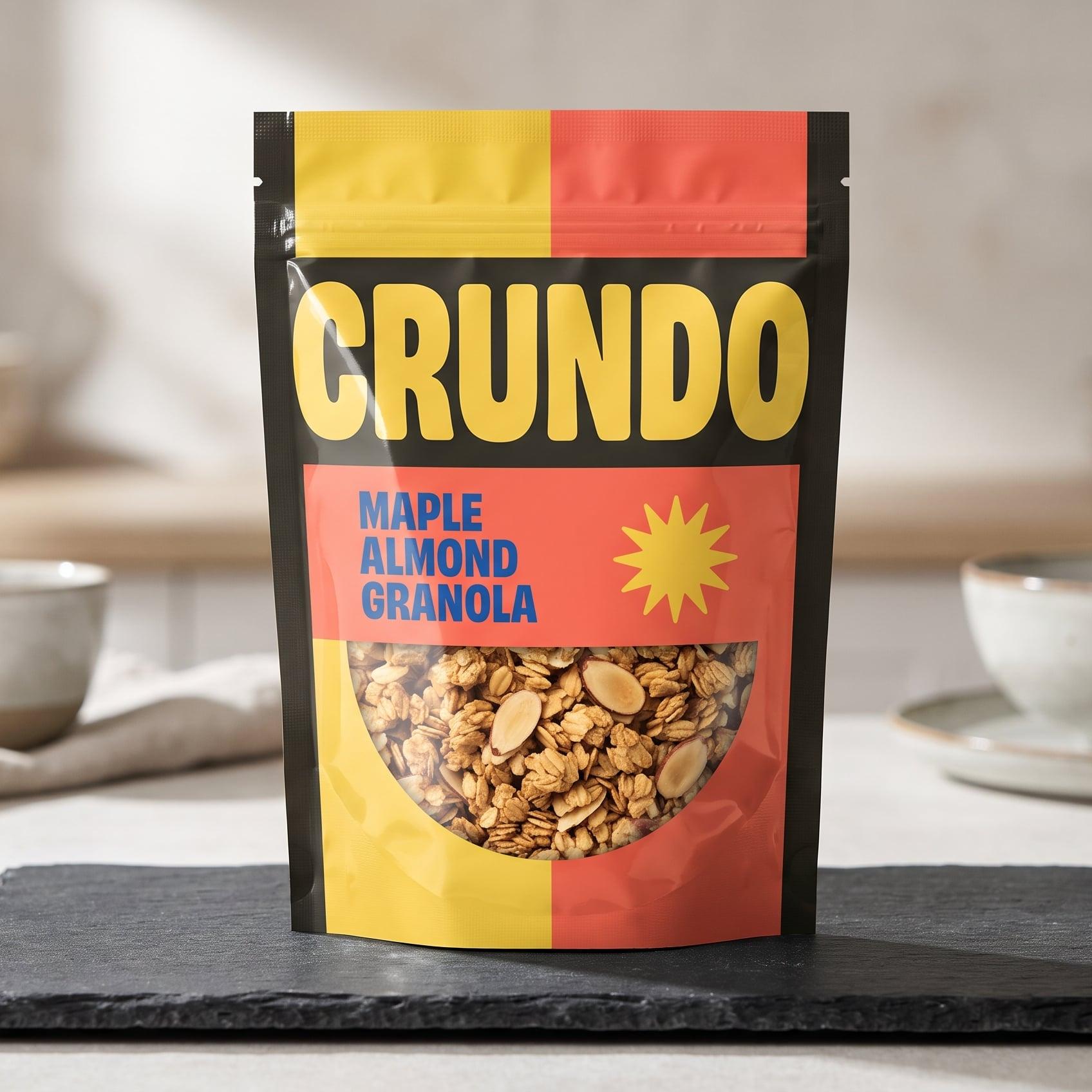 Guide · 4 min read
Packaging for a New Food Business: Stock vs Custom
Packaging for a new food business means choosing stock, semi-custom or fully custom. See how each is built, how to choose and what to check first.
Read the guide Guide · 4 min read
Packaging Inventory Management: Storing and Reordering
Packaging inventory management is storing packaging so it is usable the day you pack, and reordering stock items or printed runs before you run short.
Read the guide Guide · 5 min read
Packaging Labels: Types, Roll vs Sheet
Packaging labels are pressure-sensitive labels stuck onto a panel or shrink sleeves heat-shrunk around the container. See how to choose and specify each.
Read the guide Guide · 4 min read
Rigid Box Construction: Board, Wrap and Lid Styles
Rigid box construction wraps thick greyboard in printed or specialty paper and ships set up, not flat. See how styles, papers and finishes are chosen.
Read the guide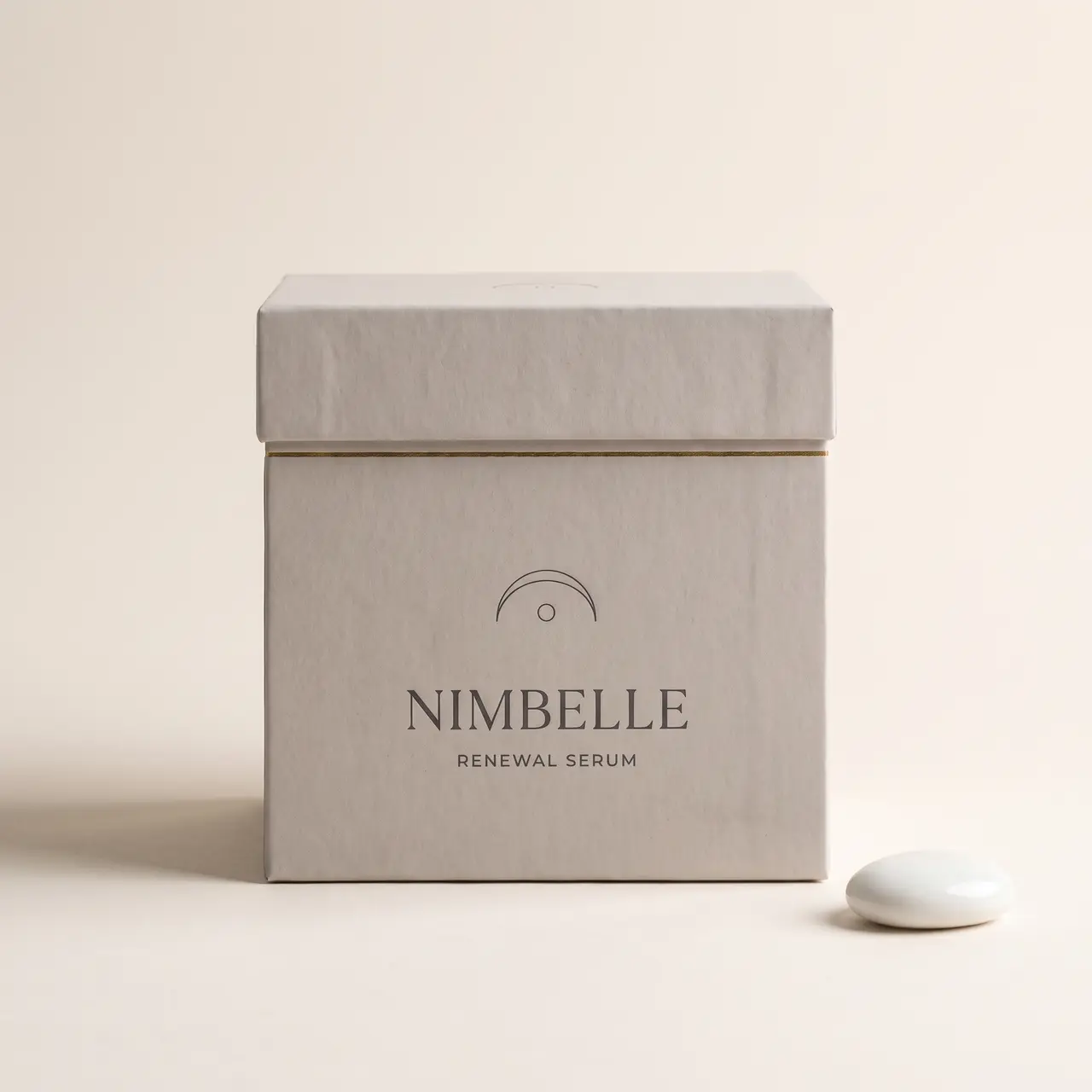 Guide · 4 min read
Rigid Boxes: How They Are Built and Specified
Rigid boxes are thick greyboard wrapped in printed or specialty paper, delivered already set up. See the closure styles, finishes and what to specify.
Read the guide- Guide · 4 min read
White Ink on Kraft Packaging: How the Underprint Works
White ink on kraft packaging is an opaque underprint laid down before the color art, so inks sit on white, not brown. Learn how to build the white plate.
Read the guide


Materials & Barrier
What actually protects your product: how barrier film is built, what OTR and WVTR measure, when coffee needs a valve, and how to match a construction to the shelf life you need.


Design & Artwork
Getting artwork print-ready and boxes right-sized: how to read a dieline, which print method fits your run and format, and sizing that beats dimensional weight.


Compliance
The credentials buyers, retailers, and regulators actually check — food contact, child resistance, PFAS — and how to verify a supplier's claim with real documentation.


Buying & Ops
How packaging is priced and sourced: the levers that lower a minimum, choosing stock versus custom, and reading a quote without walking into hidden setup fees.


Shop the formats these guides cover
The instant formats are priced online at their reference sizes, the rest are quoted, and none carries plate, die, or setup fees.
Done reading? See your real price.
Take what you learned here and configure the format, material, and finish: on the instant formats the per-unit price updates as you go, with no plate, die, or ink fees.