

“PFAS-free” packaging, explained
PFAS are being banned from food packaging state by state. What they are, where they hide, and how to check a supplier's PFAS statement before you print.
Published · Updated
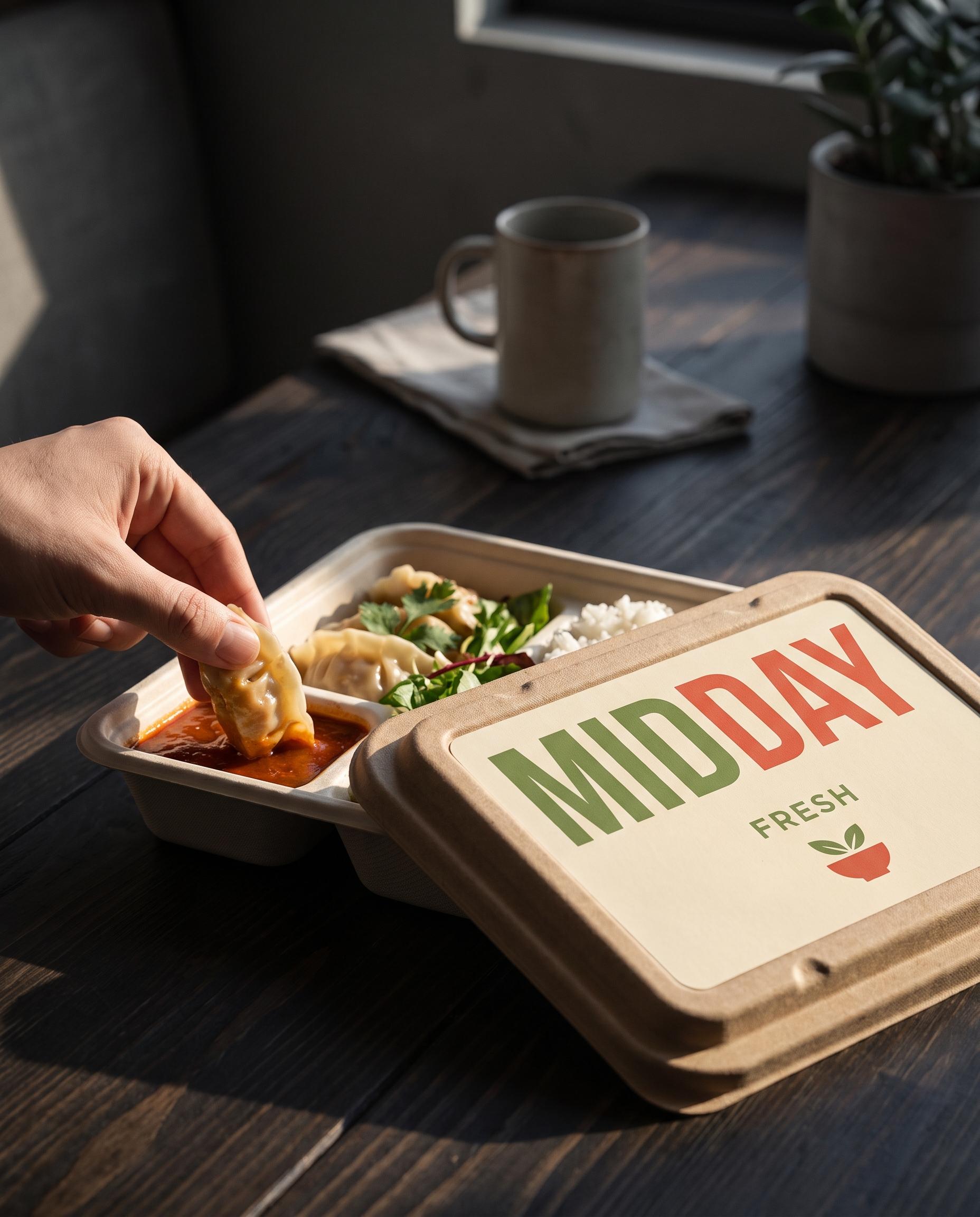
What PFAS are and why they're in packaging
PFAS — per- and polyfluoroalkyl substances — are a large family of synthetic chemicals prized in manufacturing for their ability to repel grease and water. In food packaging they've long been used as coatings on molded-fiber bowls, fast-food wrappers, microwave popcorn bags, and grease-resistant paperboard, precisely because they keep oil and moisture from soaking through. The problem is that the same stability that makes them useful also makes them extraordinarily persistent — "forever chemicals" that don't meaningfully break down in the environment or the human body, and that a growing body of research links to health concerns. That combination of usefulness and persistence is exactly why they've moved from an unremarkable industry default to a regulatory target: the very property brands relied on for grease resistance is the property now getting them banned from food-contact use across a widening set of jurisdictions.
The regulatory wave
Rather than arriving as a single federal ban, PFAS restrictions have come as a wave of state laws targeting intentionally-added PFAS in food packaging, with states including California, New York, Washington, Colorado, Minnesota, and others phasing in prohibitions on staggered timelines. For a brand selling nationwide, that patchwork effectively collapses into one practical standard: rather than track dozens of differing rules and effective dates, it's simpler to specify packaging made without intentionally added PFAS everywhere. Buyers and major retailers are moving ahead of the legal deadlines too, writing “PFAS-free” into their supplier requirements, so in many categories it has already shifted from a premium selling point to basic table stakes. The direction of travel is unambiguous — restrictions are tightening, not loosening — so designing PFAS out now is both a compliance move and a way to avoid re-sourcing the same packaging all over again in a year or two.
Alternatives to PFAS that work
Removing PFAS doesn't mean giving up grease resistance — it means getting it a different way. Proven alternatives include mineral- and clay-based barrier coatings, specific bio-based treatments, and simply selecting board grades and structures engineered for grease resistance without fluorochemicals. For many products, the right board grade or a barrier-lined format handles grease and moisture perfectly well with no PFAS involved. The key is to test against your actual product rather than assume, because demands vary widely: a bag holding warm, buttery pastry stresses a grease barrier far harder than a carton of dry granola bars. A material that's more than adequate for one can fall short for the other. So validate the specific alternative with your real fill, at the temperatures and hold times it will actually see, before committing to a full run — a short, cheap test now prevents a soaked-through package and an unhappy customer later.
Making sure your packaging is compliant
Because a "no PFAS" statement is now a legal claim with real teeth in several states, back it with paper rather than good intentions. Ask your supplier for a PFAS attestation or declaration covering the specific materials on your order, stating that no PFAS are intentionally added. Reputable suppliers provide this readily, because they've already vetted their material streams and have the documentation on hand. Keep that attestation on file the way you'd keep any compliance record — it's your evidence if a regulator, retailer, or customer ever asks you to substantiate the claim. As bans phase in, that documentation is the line between a confident claim and an exposed one.
Formats this guide covers
Configure material and finish and watch the per-unit price move on the instant formats; the rest are quoted.

Custom Folding Cartons
Retail-shelf cartons on SBS or kraft board.

Corrugated Trays & Displays
Retail-ready trays that merchandise themselves.

Stop guessing. See your real price.
Configure the format, material, and finish from this guide: on the instant formats the per-unit price updates as you go, with no plate, die, or ink fees.