

Gift Box Packaging: Magnetic, Drawer, Two-Piece, Tuck
By Editorial teamUpdated 5 min read
The short answer
Gift box packaging comes down to one choice: a rigid setup box that arrives assembled and holds its shape, or a folding carton that ships flat and is tucked or glued into shape at fill. That choice sets the opening: a magnetic book-style flap, a drawer or a two-piece lid on a rigid box, tuck ends on a carton.

How are rigid gift boxes and folding cartons built?
A rigid box is built from 1.5 to 2.5 mm greyboard, the thick board that gives it its stiffness, wrapped in a printed or specialty paper that folds over every edge. The wrap is printed by litho-lamination in full CMYK plus spot colors. The box's solid, non-collapsible shape is why it is the format of electronics boxes, luxury cosmetics, jewelry and high-end gift sets.
A folding carton is 18 pt, 20 pt or 24 pt paperboard, its thickness given in points, thousandths of an inch. It comes in SBS, white through its whole thickness, or CCNB, which has a coated white printing face and a gray or brown back, and it is printed offset or digitally. A mailer box sits between the two: white or kraft corrugated board in E-flute or B-flute, with a self-locking roll-end tuck front that closes with no tape or glue.
Magnetic, drawer, two-piece or tuck-end: what sets them apart?
Each option is named for how the box opens, and the opening shapes how the gift is revealed.
- Magnetic closure box: a book-style rigid box with a hinged flap that opens like a book cover, often held shut by a magnet in the flap.
- Drawer box: a tray that slides out of a sleeve, so the item comes forward on the tray instead of being lifted out. It is a common choice for jewelry and small gifts.
- Two-piece lid and base: a lift-off lid over a base, the classic gift box. A shoulder-neck variant adds a rim between the lid and the base.
- Tuck-end carton: a folding carton whose end flaps tuck in to close it, in straight or reverse tuck styles. A shape other than the standard tuck styles needs a new die, the cutting tool made for that flat layout.
Which gift box format suits your product?
Start with how the box reaches the recipient. A box handed over or set on a shelf can be a rigid box, chosen for the stiff, set-up feel of its greyboard walls. A gift that travels through a carrier on its own is better served by corrugated board around it: a mailer box can be the gift box and the shipper at once, or a rigid box can travel inside a separate shipper.
Then look at how you fill. Plan storage room for the full volume of rigid boxes, while folding cartons and mailer boxes take far less room until they are set up. For cartons filled in volume, a crash-lock bottom, also called auto-bottom, arrives pre-glued: the base opens into place when you push the sides, which suits machine-erected cartons on fast filling lines.
Last, match the closure to how the gift is used: a magnetic flap or a drawer for a box the recipient keeps and reopens, a two-piece lid for a set laid out in an insert you lift clear of the base.
What should you specify before ordering gift boxes?
Size comes first, measured from the item you are packing. Rigid boxes are listed from 4 by 4 by 2 in up to 15 by 11 by 5 in. Folding cartons are cut on a custom die from 1 x 1 x 3 in up to 10 x 10 x 12 in, and custom mailer boxes run from 4 x 4 x 2 in up to 16 x 12 x 6 in. Listed mailer box sizes run from 5 x 2 x 2 in to 12 x 12 x 60 in and are inside dimensions.
Then name the board: white or kraft, the greyboard thickness for a rigid box, the caliper and SBS or CCNB for a carton, E-flute for fine print or B-flute for a mailer. Finishes on each format are matte laminate, soft-touch laminate, foil stamp, emboss, deboss, spot UV and a die-cut window patch. An emboss raises the logo; a deboss presses it in. Spot UV shows best as gloss over a matte laminate.
For the file, place the art on the dieline and put each foil, emboss, deboss or spot UV area on its own named layer, since each is applied by separate tooling after the ink prints.
Formats in this guide
How each format is built and what you can choose. Each is made to your build and quoted for it.
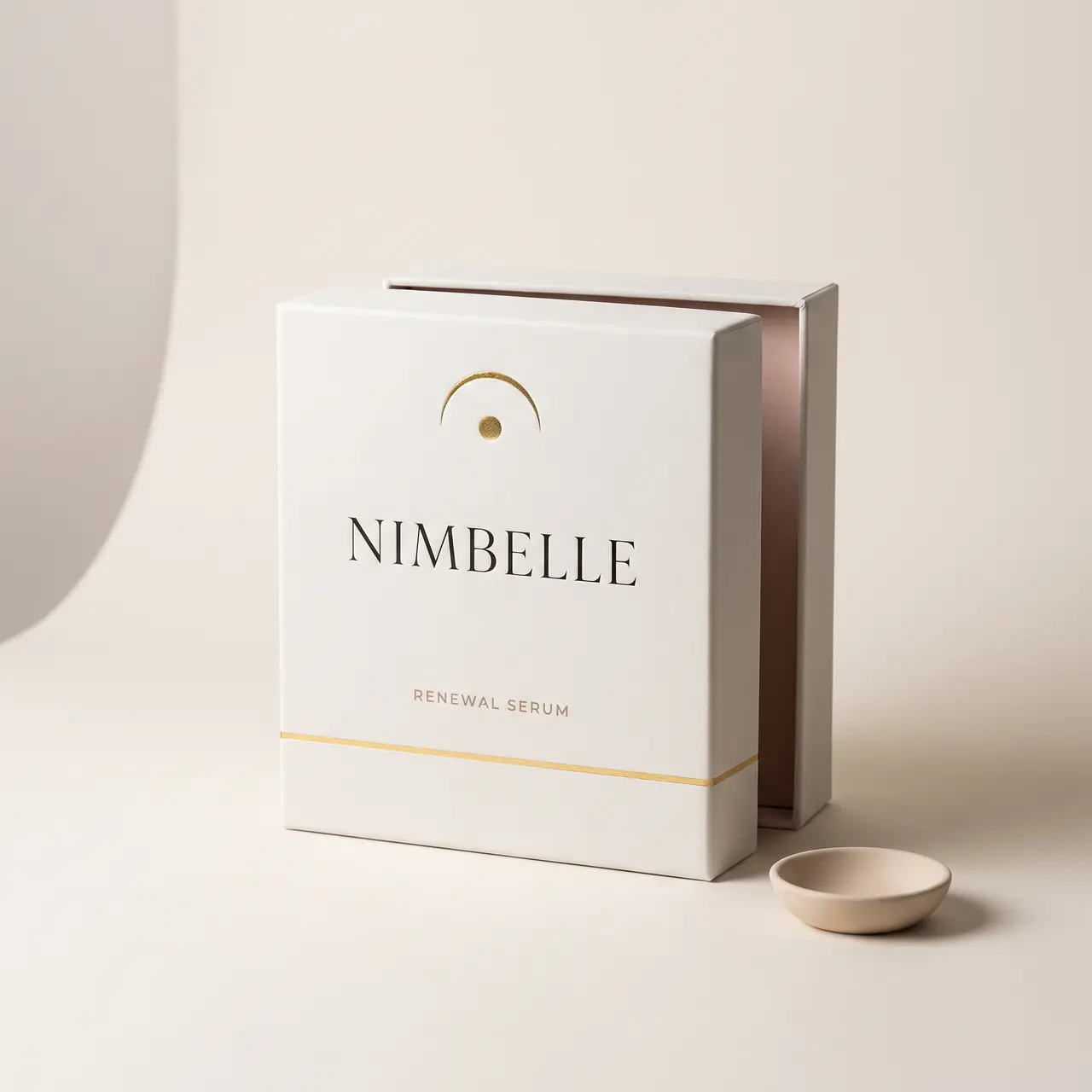
Rigid Boxes
Wrapped setup box
- Sizes
- 4 × 4 × 2 in up to 15 × 11 × 5 in
- Material
- Rigid greyboard, printed-paper wrapped
- Closure
- Lift-off lid, magnetic book-style, or drawer
- Board or film
- 1.5–2.5mm rigid greyboard
- Litho-laminated wrap, full CMYK + spot
- Inserts
- Foam, molded pulp, or paperboard
- Materials
- White, Kraft
- Finishes
- Matte laminate, Soft-touch laminate, Foil stamp, Emboss / deboss / spot-UV, Die-cut window patch
Quoted to your build
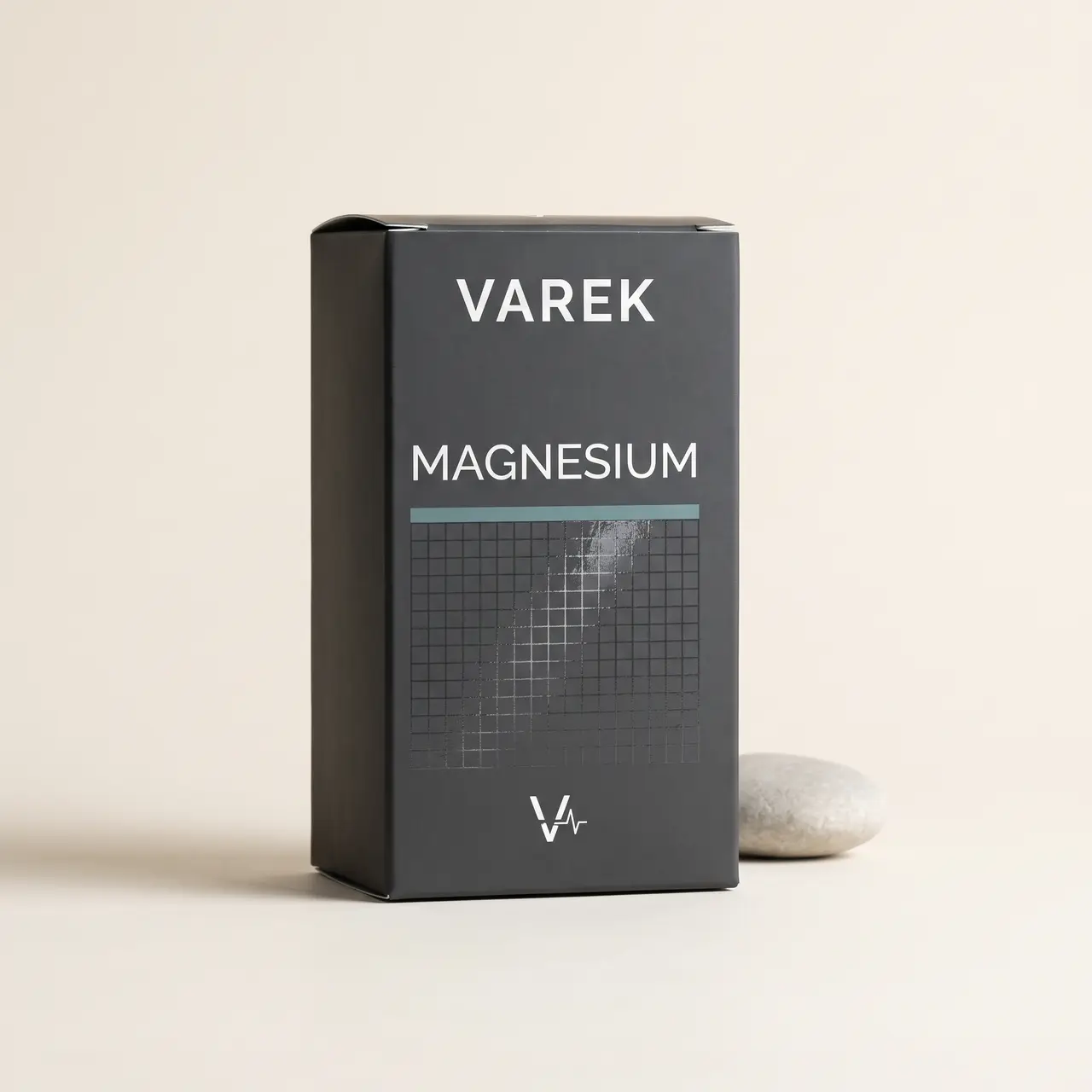
Folding Cartons
Tuck-end paperboard carton
- Sizes
- 1 × 1 × 3 in up to 10 × 10 × 12 in — custom die
- Material
- 18–24pt SBS (white) or CCNB
- Closure
- Straight/reverse tuck-end or auto-lock snap-bottom
- Board or film
- 18pt, 20pt, or 24pt caliper
- Offset & digital, up to full CMYK + spot
- Window patching
- Optional PET film window
- Materials
- White, Kraft
- Finishes
- Matte laminate, Soft-touch laminate, Foil stamp, Emboss / deboss / spot-UV, Die-cut window patch
Quoted to your build
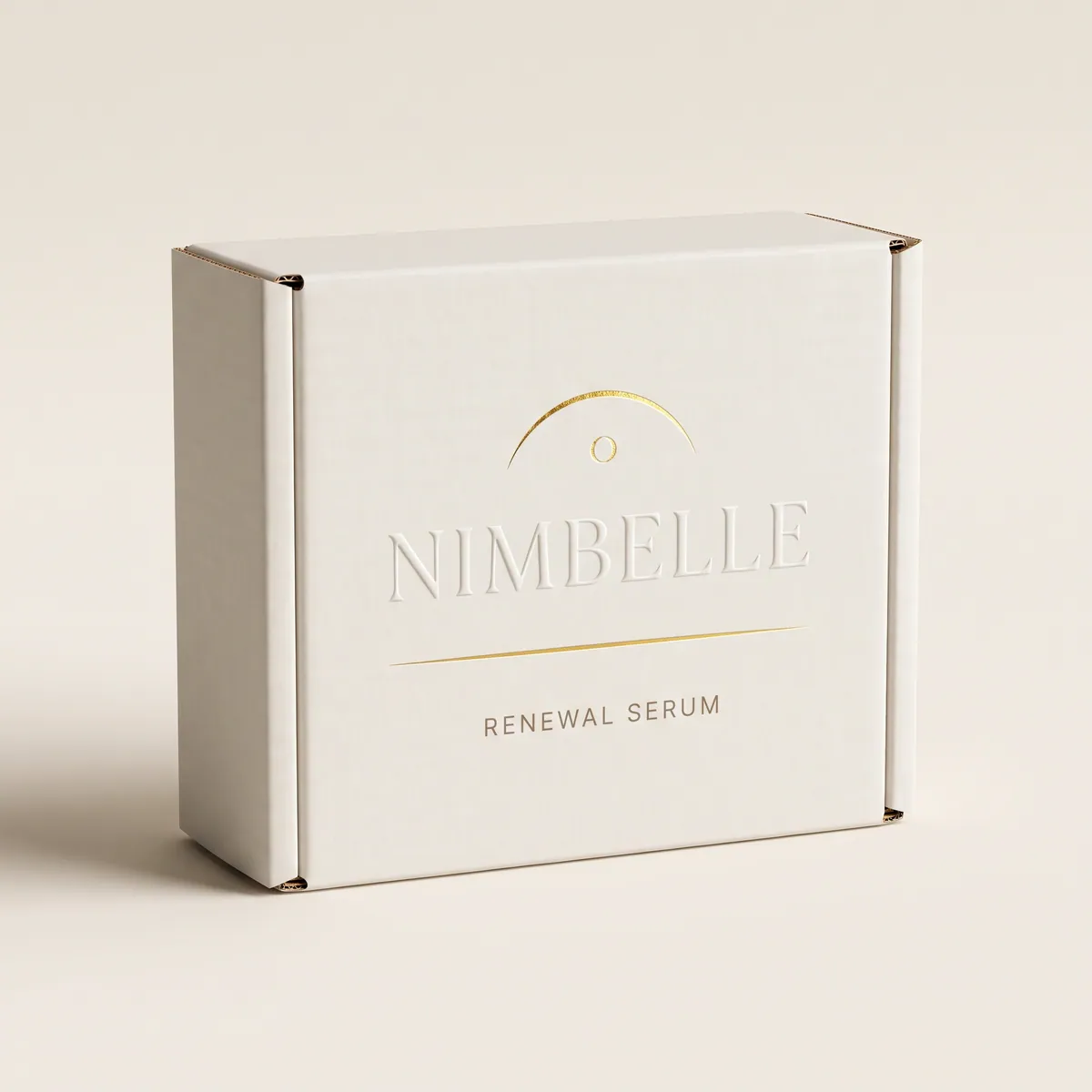
Mailer Boxes
Roll-end tuck mailer
- Sizes
- 4 × 4 × 2 in up to 16 × 12 × 6 in — fully custom footprint
- Material
- White or kraft corrugated board
- Closure
- Self-locking roll-end tuck front — no tape or glue
- Board or film
- E-flute (fine print) or B-flute
- Full-color digital & litho-laminate outside
- Materials
- White, Kraft
- Finishes
- Matte laminate, Soft-touch laminate, Foil stamp, Die-cut window patch, Emboss / deboss / spot-UV
Quoted to your build


Stock sizes
| Format | Listed sizes | See the sizes |
|---|---|---|
| Mailer box | Listed sizes5 × 2 × 2 in to 12 × 12 × 60 in | See the sizesAll mailer box sizes |
Listed size: Nook's listed box sizes are inside dimensions.
Questions
What inserts go inside a rigid gift box?
Can a gift box have a window?
What should you know before choosing soft-touch laminate?
Put it to work
See each format's sizes, materials and finishes on its page, then send your build for a quote.