

Dog Toys Packaging: Formats, Materials and Sizes
Specs as of
The short answer
Dog toys need packaging that lets a shopper see the toy, fits an irregular shape and gives a brand room to print, whether the pack sells on a shelf or travels to a home. The formats to compare are folding cartons, mailer boxes and poly mailers, each quoted to your build.
What do dog toys need from their packaging?
Visibility comes first. Shoppers want to see the product, and a plain pouch hides it, so a toy on a pet shelf needs a view of the toy itself or printed art that shows it clearly.
Fit comes next, because dog toys vary widely in shape. A plush toy compresses while a rubber ball or rope tug does not, so measure each toy at its longest, widest and deepest points. A pack sized around a compressed plush leaves the toy pressing on its panels and closure.
The sales channel settles the rest. A shelf pack needs a printed face a shopper can read at a glance, and a toy shipped to a home needs a pack built as the outer layer of a parcel. Most toys are not fragile, so the effort goes into fit and presentation before heavy cushioning.
Why use folding cartons for dog toys?
The window is the reason to choose a carton for shelf sales: a die-cut opening patched with clear PET film shows a plush face or a rope knot while the panels around it carry your art. Sizes run from 1 x 1 x 3 in up to 10 x 10 x 12 in on a custom die.
Board comes in 18pt, 20pt or 24pt caliper, and a dense rubber chew points to the heavy end with an auto-lock snap-bottom rather than a straight or reverse tuck-end. For a photo of the toy around the window, white SBS, or CCNB with its coated white face and gray or brown back, puts the image on bright white board; kraft has a natural brown look on which ink prints softer, so the photo loses brightness there.
Soft-touch laminate adds a velvety feel but shows scuffs on dark designs that shoppers handle. A foil stamp puts a metallic logo where it catches the light. An emboss raises the logo and needs bold shapes.
Why use mailer boxes for dog toys?
A mailer box suits toys sold online and sets of toys, because one box does the shipping and the presentation: a self-locking roll-end tuck front closes it with no tape or glue. Sizes run from 4 x 4 x 2 in up to 16 x 12 x 6 in with a fully custom footprint, and a ball sets the depth where a plush can sit flat.
E-flute is the thinner board, with a smoother face for fine print and the least cushioning. B-flute is thicker and stiffer, the choice for a heavier set of rubber toys. White board gives full-color digital or litho-laminate art a bright ground, while kraft corrugated suits bold, simple art.
Spot UV shows best as gloss over a matte laminate, so a glossy logo reads clearly on a matte top panel. A die-cut window patch gives a view of the toy but opens the outer face: if the box travels alone, test-ship a windowed box first.
Why use poly mailers for dog toys?
A poly mailer fits soft toys such as plush and rope, which flex and have no fragile parts. It hides the toy, so it suits online sales, where the shopper has already seen it. Sizes run from 6 x 9 in up to 19 x 24 in, and a filled mailer loses usable width, so size up for a thick plush. A hard chew with firm edges belongs in a box.
The material is 3 mil co-extruded poly film, with thickness running 2.5–4 mil, and a heavier toy points to the upper end. A permanent peel-and-seal adhesive strip closes the mailer.
Print runs flexo or digital in full color. Flexo favors solid colors and bold logos over fine photographic detail, so a photo of the toy leans to digital, which also suits short runs and separate versions per toy. Matte laminate is the only finish, a film bonded over the print for a low-gloss face.
Formats at a glance
The formats above, side by side: how each is built and what you can choose. Each is made to your build and quoted for it.
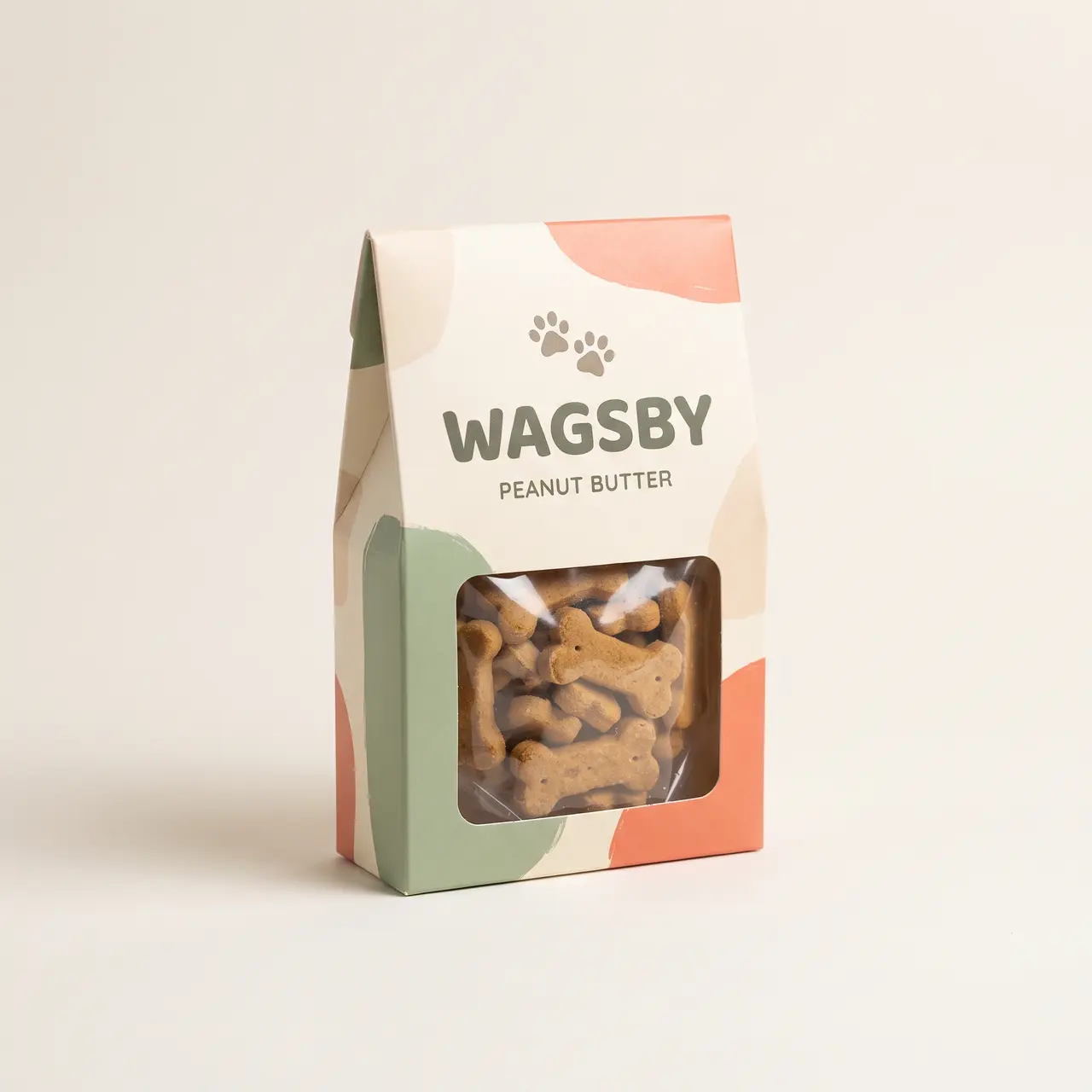
Folding Cartons
Tuck-end paperboard carton
- Sizes
- 1 × 1 × 3 in up to 10 × 10 × 12 in — custom die
- Material
- 18–24pt SBS (white) or CCNB
- Closure
- Straight/reverse tuck-end or auto-lock snap-bottom
- Board or film
- 18pt, 20pt, or 24pt caliper
- Offset & digital, up to full CMYK + spot
- Window patching
- Optional PET film window
- Materials
- White, Kraft
- Finishes
- Matte laminate, Soft-touch laminate, Foil stamp, Emboss / deboss / spot-UV, Die-cut window patch
Quoted to your build
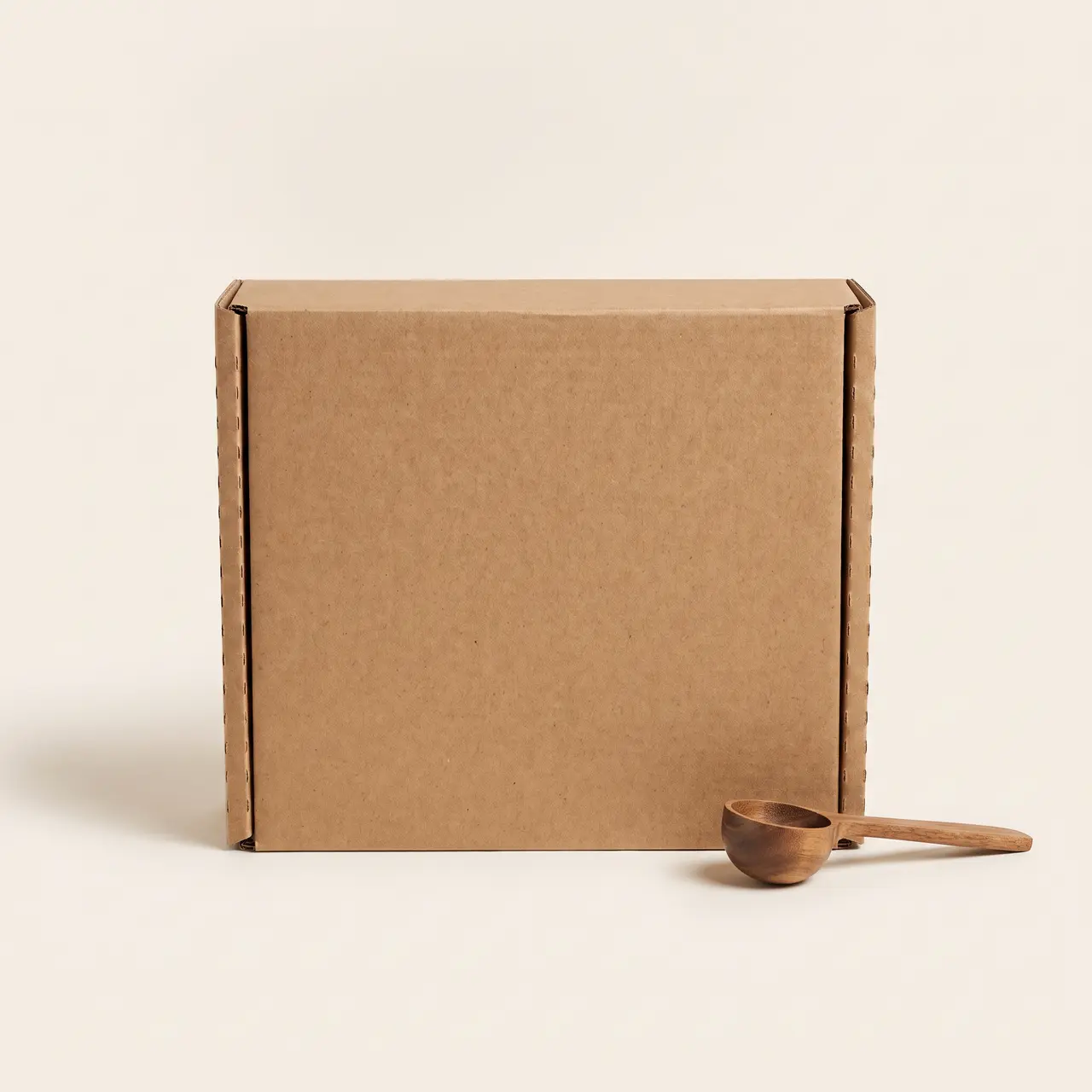
Mailer Boxes
Roll-end tuck mailer
- Sizes
- 4 × 4 × 2 in up to 16 × 12 × 6 in — fully custom footprint
- Material
- White or kraft corrugated board
- Closure
- Self-locking roll-end tuck front — no tape or glue
- Board or film
- E-flute (fine print) or B-flute
- Full-color digital & litho-laminate outside
- Materials
- White, Kraft
- Finishes
- Matte laminate, Soft-touch laminate, Foil stamp, Die-cut window patch, Emboss / deboss / spot-UV
Quoted to your build
Poly Mailers
Printed film mailer
- Sizes
- 6 × 9 in up to 19 × 24 in
- Material
- 3 mil co-extruded poly film
- Closure
- Permanent peel-and-seal adhesive strip
- Board or film
- 2.5–4 mil film
- Flexo & digital, full-color
- Materials
- White, Kraft
- Finishes
- Matte laminate
Quoted to your build


Questions
Is cat toys packaging any different from dog toys packaging?
Can a folding carton of dog toys ship on its own?
How should artwork be set up for a windowed toy carton?
Get dog toys packaging quoted
Tell us the format, size and quantity, and we quote it to your build.