

Pet Bandanas Packaging: Formats, Materials and Sizes
Specs as of
The short answer
Pet bandanas are flat, soft and bought on their look, so their packaging needs to show the pattern, or a picture of it, and to be sized to the fold or the stack you sell them in. The formats that answer this are poly mailers and mailer boxes.
What do pet bandanas need from their packaging?
Visibility comes first. Pet shoppers want to see the product, and a plain pouch hides it. On a bandana the pattern and color are most of what a shopper is choosing, so a blank pack leaves the deciding detail out of sight until it is opened.
Fit comes next. Measure the bandana folded the way you will sell it, or the stack if you sell sets, and size the pack from that. A folded bandana is thin, so spare room adds up fast: it lets the fold slide and rumple, and an oversize pack raises billable weight (DIM weight, the size-based weight carriers bill by).
What you are looking after is the fold, and how crisp it looks when the pack opens.
Why use poly mailers for pet bandanas?
A folded bandana is flat and soft, so film can lie close to it with little spare room. Sizes run from 6 x 9 in up to 19 x 24 in, and the mailer closes with a permanent peel-and-seal adhesive strip.
The closed mailer hides the fabric, so its printed face has to show the pattern. Print is full-color, by flexo or digital. Digital prints straight from the file with no plates and suits versions, which helps when each design in your range gets its own art; flexo favors solid colors over fine photographic detail.
The film is 3 mil co-extruded poly, meaning its layers are formed together as one sheet, and thickness runs 2.5–4 mil. A bandana has no sharp edges, so this is a smaller decision than the print face. White gives a photo of the pattern a bright ground, while ink looks softer on kraft, which favors bold, simple art. A matte laminate, a film bonded over the print, adds low sheen, so the photo reads with less glare.
Why use mailer boxes for pet bandanas?
A mailer box can show the fabric itself. Its die-cut window patch is an opening cut in the board and covered with clear film, so a shopper sees the pattern with the box closed. Place it over the part of the fold that shows the print best, and judge white or kraft corrugated board by how each looks framing that fabric.
E-flute, the thinner flute with the smoother face, suits fine print and a product this light; B-flute is thicker and stiffer, the usual pick for heavier goods. Sizes run from 4 x 4 x 2 in up to 16 x 12 x 6 in, with a fully custom footprint. The smallest, 2 in deep, leaves room above a single folded bandana, so the box suits stacks and sets.
Soft-touch laminate adds a velvety feel that suits a fabric product, though it shows fingerprints and scuffs on dark, high-coverage designs. A foil stamp puts a metallic logo on the box; hold it to bold shapes, away from folds and large solids.
Formats at a glance
The formats above, side by side: how each is built and what you can choose. Each is made to your build and quoted for it.
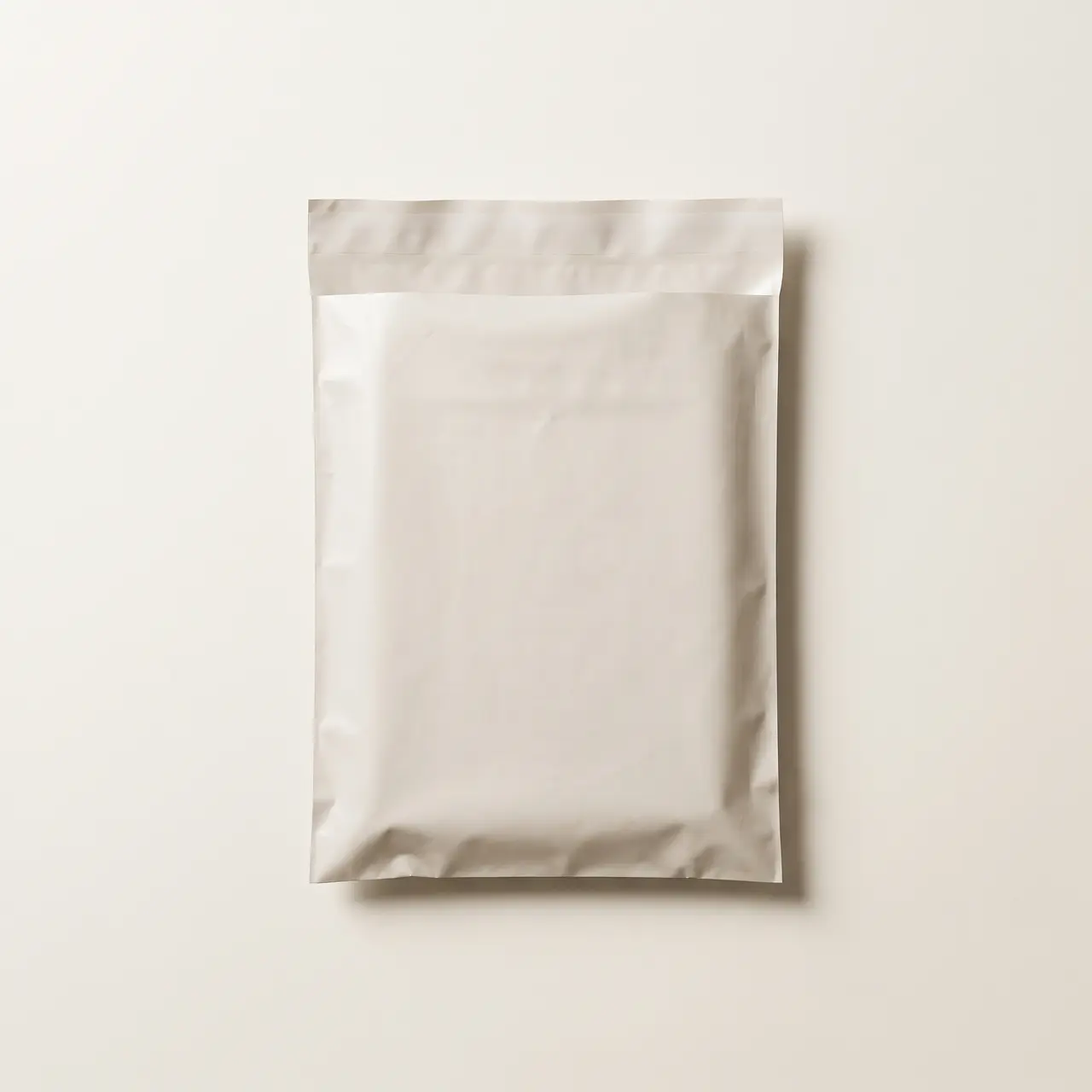
Poly Mailers
Printed film mailer
- Sizes
- 6 × 9 in up to 19 × 24 in
- Material
- 3 mil co-extruded poly film
- Closure
- Permanent peel-and-seal adhesive strip
- Board or film
- 2.5–4 mil film
- Flexo & digital, full-color
- Materials
- White, Kraft
- Finishes
- Matte laminate
Quoted to your build
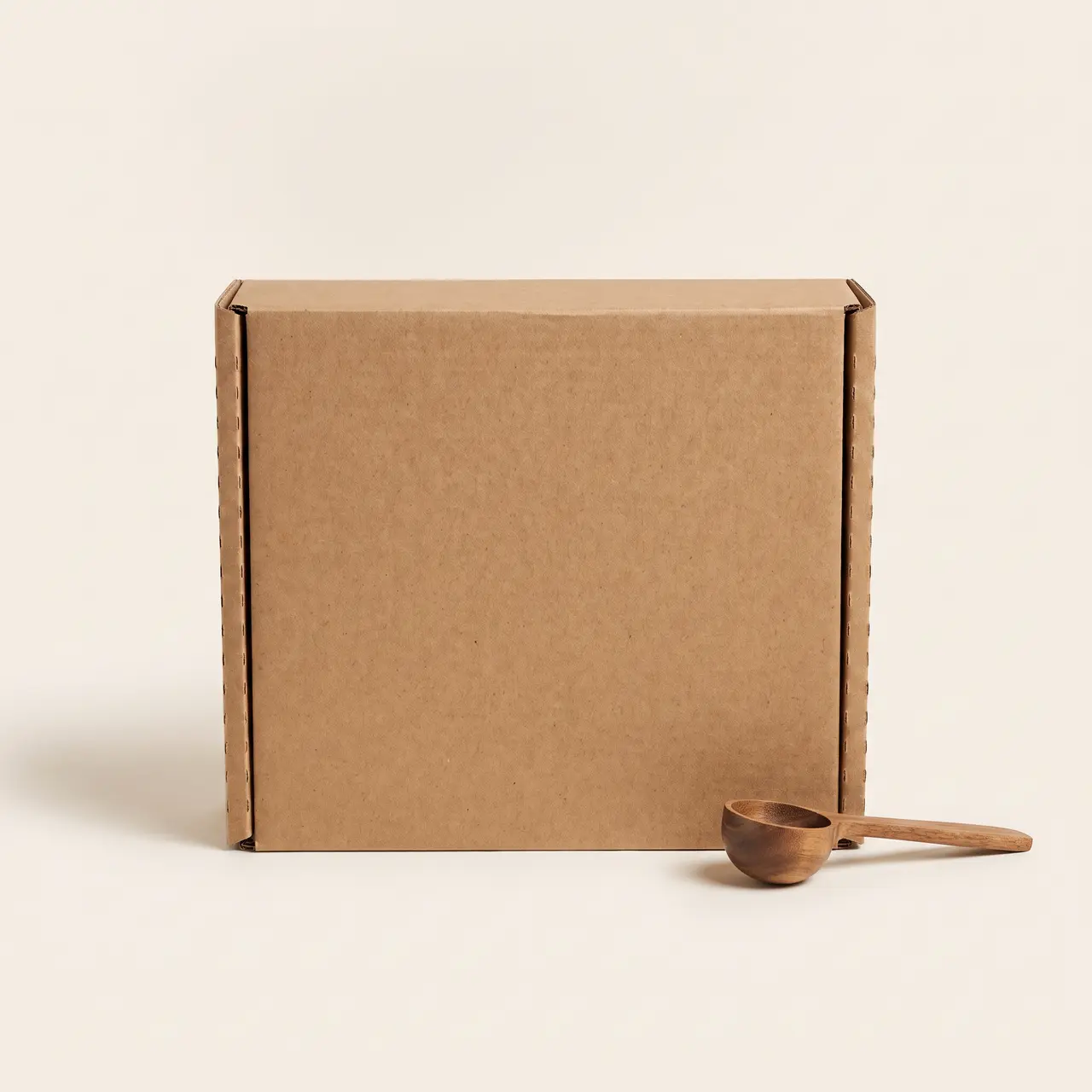
Mailer Boxes
Roll-end tuck mailer
- Sizes
- 4 × 4 × 2 in up to 16 × 12 × 6 in — fully custom footprint
- Material
- White or kraft corrugated board
- Closure
- Self-locking roll-end tuck front — no tape or glue
- Board or film
- E-flute (fine print) or B-flute
- Full-color digital & litho-laminate outside
- Materials
- White, Kraft
- Finishes
- Matte laminate, Soft-touch laminate, Foil stamp, Die-cut window patch, Emboss / deboss / spot-UV
Quoted to your build


Questions
Should artwork showing a bandana pattern be set up in CMYK?
How are poly mailers and mailer boxes for pet bandanas bought?
Get pet bandanas packaging quoted
Tell us the format, size and quantity, and we quote it to your build.