

Pet Hay Packaging: Kraft Bags and Shipping Boxes
Specs as of
The short answer
Pet hay needs a pack that lets shoppers see the stems, recloses between handfuls and holds a bulky, light fill. Kraft bags serve as the retail pack, and corrugated shipping boxes carry hay, loose or bagged, by parcel. Both formats are quoted to the build you specify.
What does pet hay need from its pack?
Pet hay is dry, loose stems that take up a lot of room for their weight. The pack needs a body that holds that bulk in shape on a shelf, rather than slumping as the level drops.
Shoppers want to see the product, and a plain pouch hides it. A pet owner judges hay by its color and stem length, so the retail pack needs a way to show the hay itself, not only a printed picture of it.
Hay is used a little at a time, so the pack needs a closure that opens and closes again many times. For parcel shipping, the retail packs need an outer carton that carries them together.
Why do kraft bags suit pet hay?
A kraft bag pairs a natural kraft paper outer with a PLA or PE barrier liner. The liner, not the paper, sets the barrier, so specify the bag by its full structure, outer to inner.
The clear window (film swap) puts the stems on view: clear film shows through where the printed layer is cut away. A resealable press-to-close zipper suits hay pulled out a handful at a time; a tin-tie or fold-over top is the simpler close.
Bags run from 4 oz to 2 lb in tin-tie, flat-bottom or SOS styles. Those sizes are named by weight, and loose hay takes far more room per ounce than denser goods, so test-fill a bag with your own hay before you settle on a size.
Print is flexo or digital on uncoated kraft, where ink looks softer than on the white option. A matte laminate can go over the printed outside face. A foil stamp adds a metallic logo; it needs bold detail, and it holds best on smooth coated stock, less well on uncoated kraft.
Why do shipping boxes suit pet hay?
A shipping box here is an RSC (regular slotted container): the standard carton whose flaps meet in the middle and are tape-sealed. Custom sizes run from 6 × 4 × 4 in up to 24 × 18 × 12 in.
Hay is light for its size, so a carrier is likely to bill the carton on DIM weight, the billable weight figured from a box's dimensions. Right-size the box to the fill so no space goes to waste.
Board is 200# / 32 ECT single-wall C-flute or 48 ECT double-wall BC-flute kraft corrugated. ECT (edge crush test) rates how much load the board takes on its edge, a guide to stacking strength; double-wall suits heavier loads and tall stacks. Print is 1–3 color flexo or plain kraft, in kraft or white, and flexo favors solid logos over photos. A matte laminate can go over the printed face.
Formats at a glance
The formats above, side by side: how each is built and what you can choose. Each is made to your build and quoted for it.
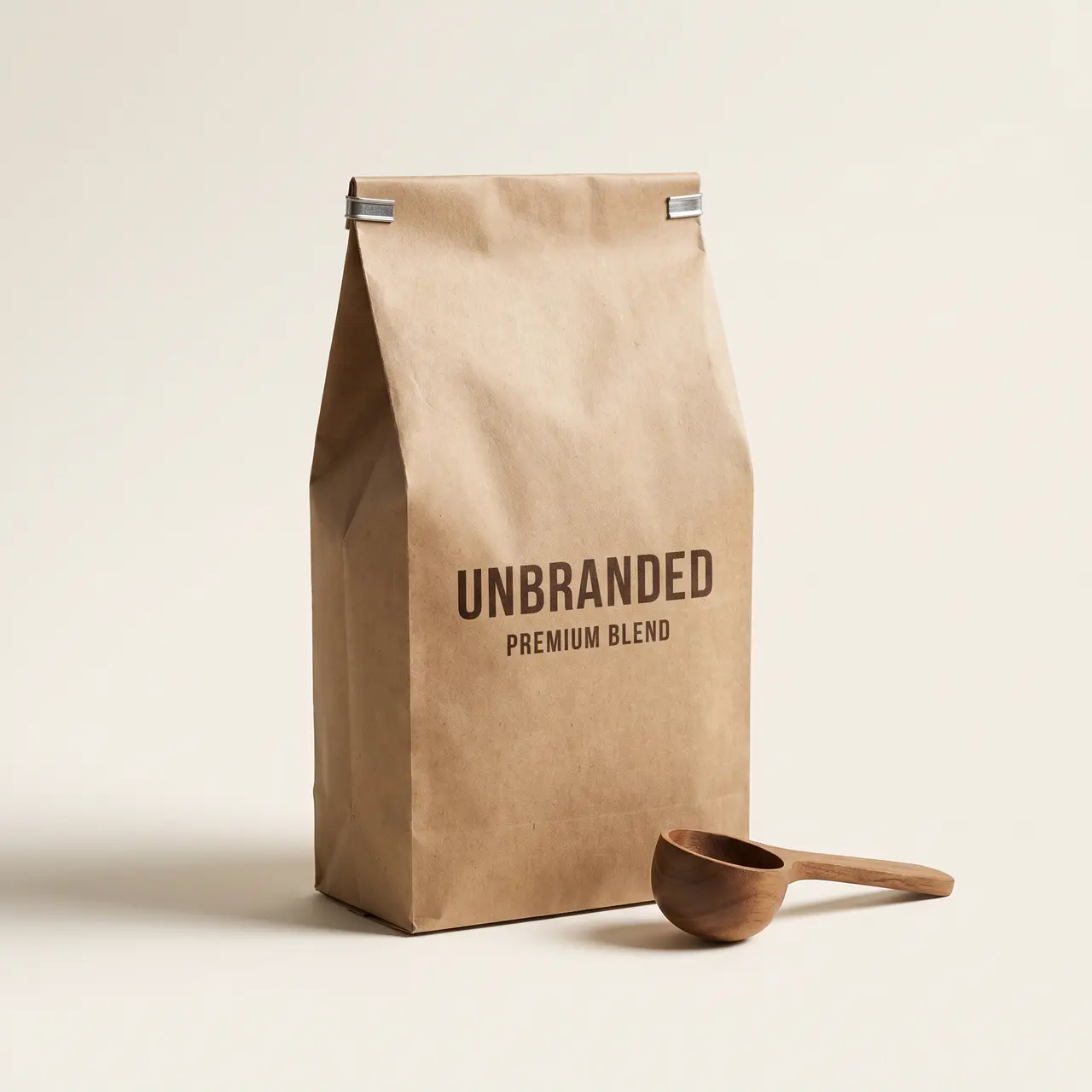
Kraft Bags
Kraft paper barrier bag
- Sizes
- 4 oz to 2 lb — tin-tie, flat-bottom, or SOS
- Material
- Natural kraft paper + PLA or PE barrier liner
- Closure
- Tin-tie, press-to-close zipper, or fold-over
- Board or film
- Kraft outer + barrier liner
- Flexo & digital on uncoated kraft
- Liner
- PLA or PE
- Materials
- Kraft, White
- Finishes
- Matte laminate, Resealable zipper, Clear window (film swap), Foil stamp
Quoted to your build
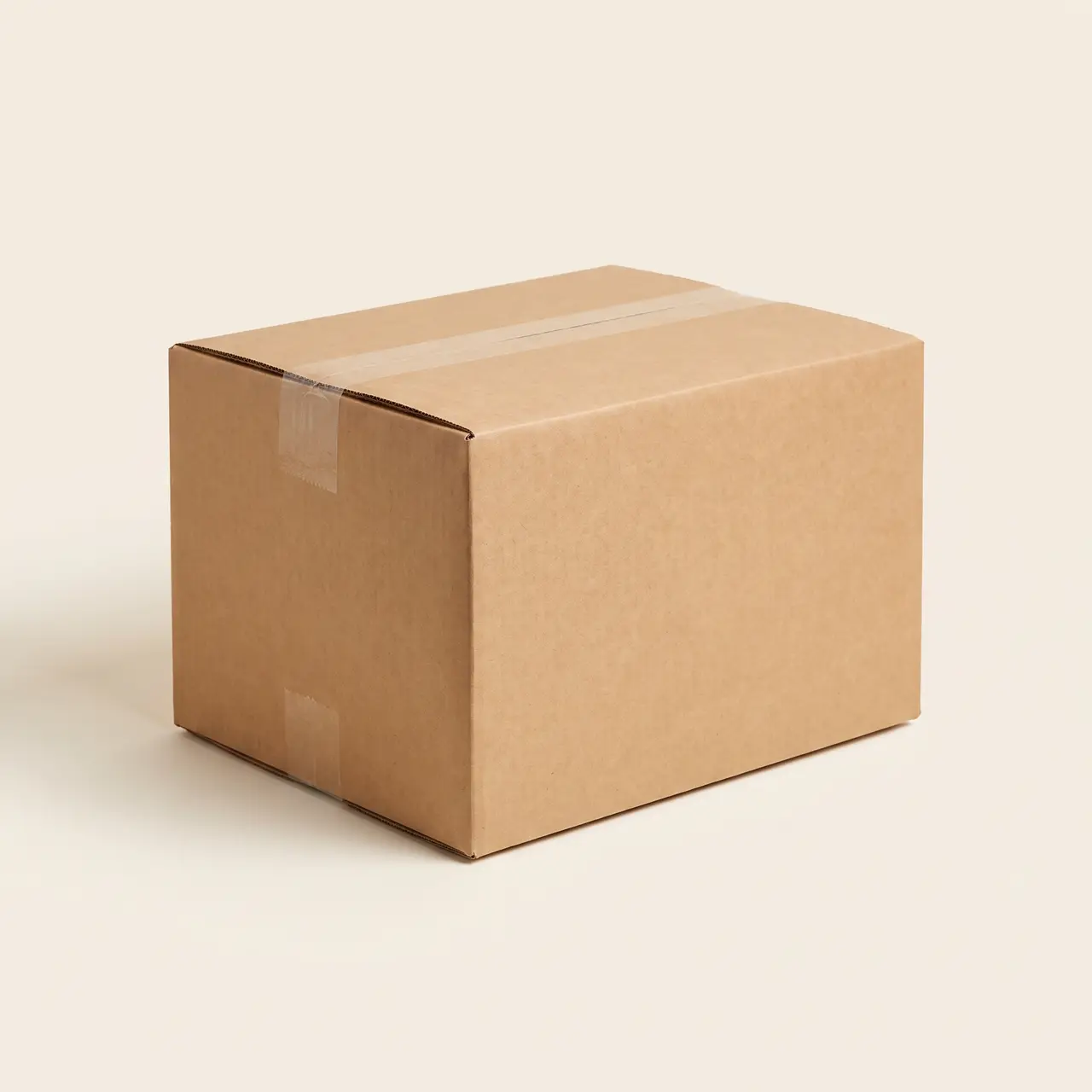
Shipping Boxes
Regular slotted corrugated (RSC)
- Sizes
- 6 × 4 × 4 in up to 24 × 18 × 12 in — custom RSC
- Material
- 200# / 32 ECT single-wall or 48 ECT double-wall kraft corrugated
- Closure
- RSC meeting flaps, tape-sealed
- Board or film
- C-flute (single) or BC-flute (double)
- Flexo 1–3 color or plain kraft
- Edge crush
- 32 ECT / 48 ECT
- Materials
- Kraft, White
- Finishes
- Matte laminate
Quoted to your build


Questions
What is the difference between tin-tie, flat-bottom and SOS kraft bags?
What does 200# mean on a shipping box?
Get pet hay packaging quoted
Tell us the format, size and quantity, and we quote it to your build.