

Camping Meals Packaging: Formats, Materials and Sizes
Specs as of
The short answer
Camping meals need a lightweight, flexible pack that a camper can carry in a loaded bag, with a laminated film structure that sets how much oxygen, moisture and light reach the food inside. Stand-up pouches and mylar bags are the formats that answer those needs.
What do camping meals need from their packaging?
Most camping meals are dry or dehydrated, and they get carried, packed tight and opened outdoors. Each need below comes from that.
- Low weight and bulk. The meal shares a loaded bag with everything else the camper brings, so thin film suits it better than a rigid container, and the empty pack folds small to carry out.
- A barrier set by the recipe. Oil-rich ingredients react with oxygen and dry ones take up water vapor. Barrier is measured as oxygen and water-vapor transmission rates (OTR and WVTR), where lower numbers mean a better barrier.
- Easy opening and reclosing. Campers often have no tools nearby, and a meal eaten over more than a single sitting has to close again.
- Readable directions. The water amount and soak time need space and clear type, because they get read outdoors, often in low light.
Why do stand-up pouches suit camping meals?
The bottom gusset, a fold that opens into a base, lets the opened pouch stand upright on a camp table or flat rock. Sizes run 3 × 5 in up to 9 × 13.5 in, quoted to your build, and a 2–5.5 in gusset gives loose, bulky recipes room to settle low in the pack. The 3–5 layer laminate (PET / MET-PET / PE) runs 4.5–5 mil: PET takes the print, the metallized ply is the barrier and PE forms the seal.
Metallized is the material to weigh first for a recipe that reacts to light or oxygen. White and kraft change the look, and the layers beneath them set the barrier. Clear film or a clear window lets a shopper see the meal, but light reaches the food there.
A tear notch opens the pouch by hand, and the optional press-to-close zipper handles reclosing. Matte laminate cuts headlamp glare on the directions. Keep those directions off the seals, gusset fold, zipper track and tear notch.
Why do mylar bags suit camping meals?
A mylar bag is opaque, so there is no clear window and the meal is sold on its printed panel. It comes flat or stand-up, from 3 × 5 in up to 10 × 14 in, quoted to your build: a flat bag lies tight against other gear in a full pack, while the stand-up form gives it a base. At 5–7 mil, the laminate runs thicker than the pouch build.
A foil layer is the higher barrier to oxygen, moisture and light, but it can crack when flexed, and a meal pressed into a full pack gets flexed. Metallized PET looks like foil and is a mid-tier barrier, so specify the bag by its full structure, outer to inner.
A heat seal is a fused seam with no opener, so settle in your quote how a camper gets in; a press-to-close zipper suits a larger bag portioned out over a trip. White gives direction type a brighter ground than kraft, where ink looks softer. A foil stamp needs bold detail, so keep it to the logo.
Formats at a glance
The formats above, side by side: how each is built and what you can choose. Each is made to your build and quoted for it.
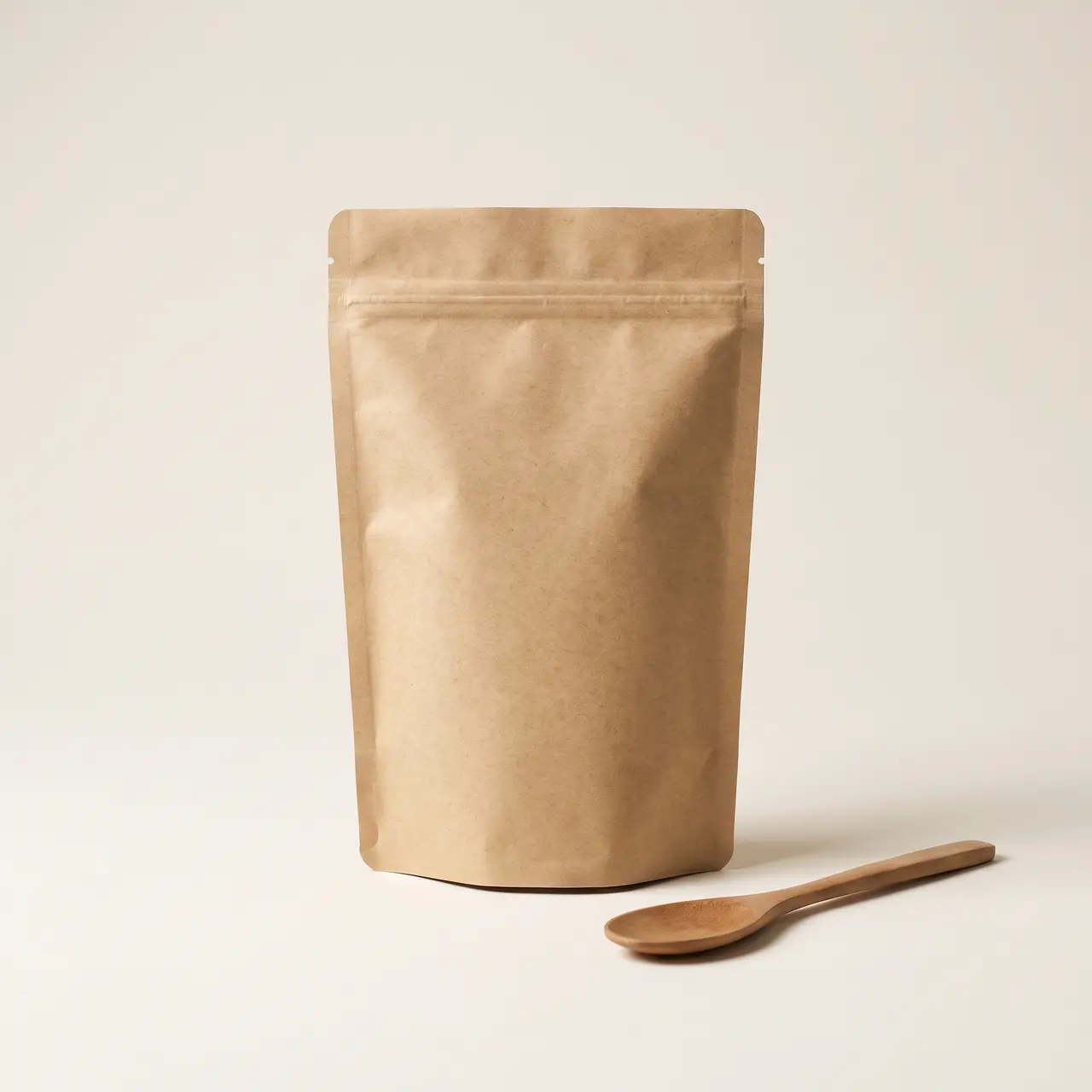
Stand-Up Pouches
Bottom-gusset barrier pouch
- Sizes
- 3 × 5 in up to 9 × 13.5 in, 2–5.5 in bottom gusset
- Material
- 3–5 layer barrier laminate (PET / MET-PET / PE)
- Closure
- Tear-notch; press-to-close zipper optional
- Board or film
- 4.5–5 mil laminate
- Rotogravure & digital, full CMYK + spot, matte or gloss
- Materials
- Metallized, White, Kraft, Clear
- Finishes
- Matte laminate, Resealable zipper, Clear window (film swap), Degassing valve, Foil stamp
Quoted to your build
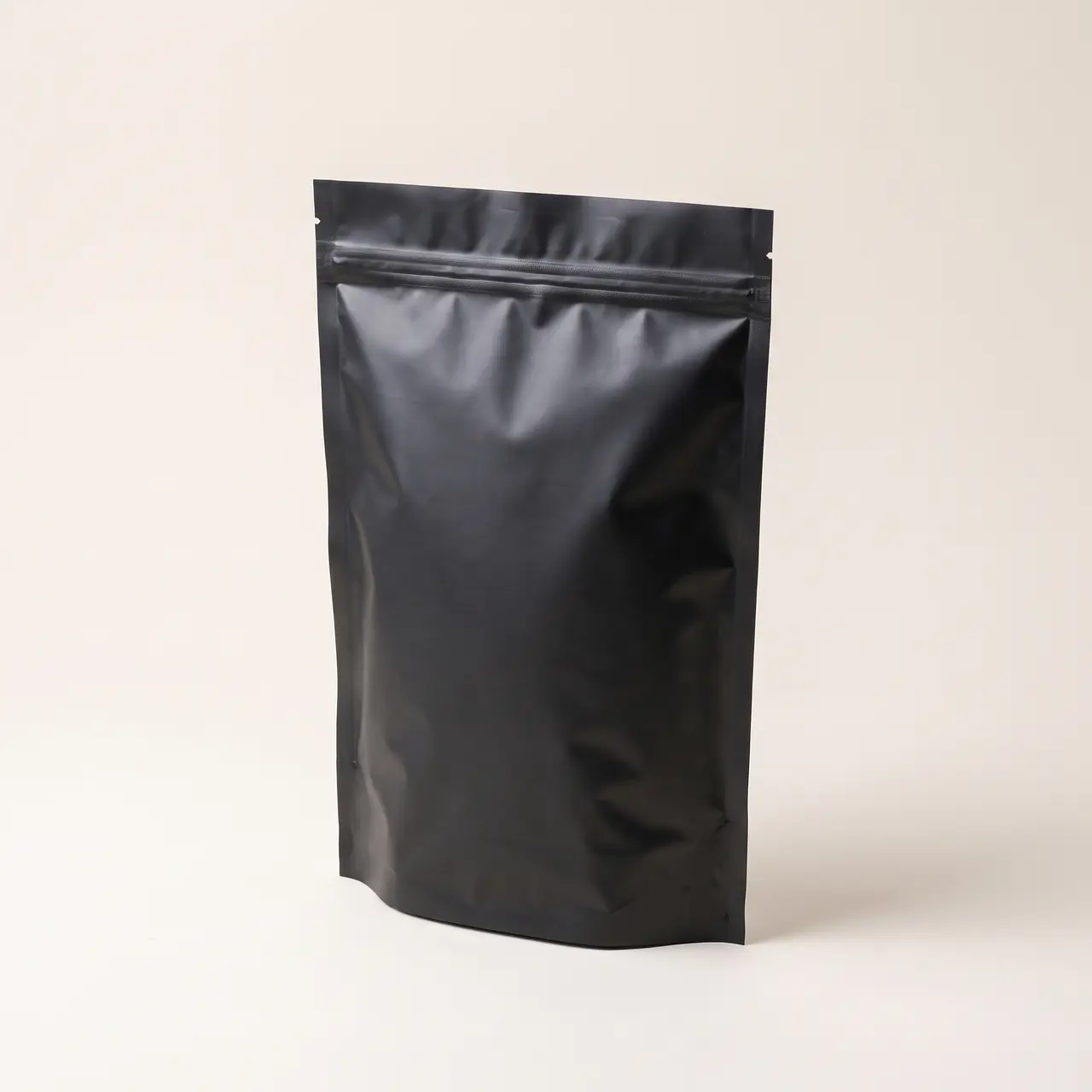
Mylar Bags
Metallized bag
- Sizes
- 3 × 5 in up to 10 × 14 in — flat or stand-up
- Material
- MET-PET / foil laminate
- Closure
- Heat-seal or press-to-close zipper
- Board or film
- 5–7 mil laminate
- Rotogravure & digital, matte or gloss
- Materials
- Metallized, White, Kraft
- Finishes
- Matte laminate, Resealable zipper, Foil stamp
Quoted to your build


Stock sizes
| Format | Listed sizes | See the sizes |
|---|---|---|
| Stand-up pouch | Listed sizes3.13 × 5 in, 2 in gusset to 11.75 × 17.25 in | See the sizesAll stand-up pouch sizes |
| Mylar bag | Listed sizes2 × 3 in to 16 × 36 in | See the sizesAll mylar bag sizes |
Listed sizes: the listing does not say whether a size is the inside or the outside measurement.
Questions
Can campers pour hot water straight into the pack?
Does a camping meal pouch need a degassing valve?
How do I choose a pack size for a single meal?
Get camping meals packaging quoted
Tell us the format, size and quantity, and we quote it to your build.